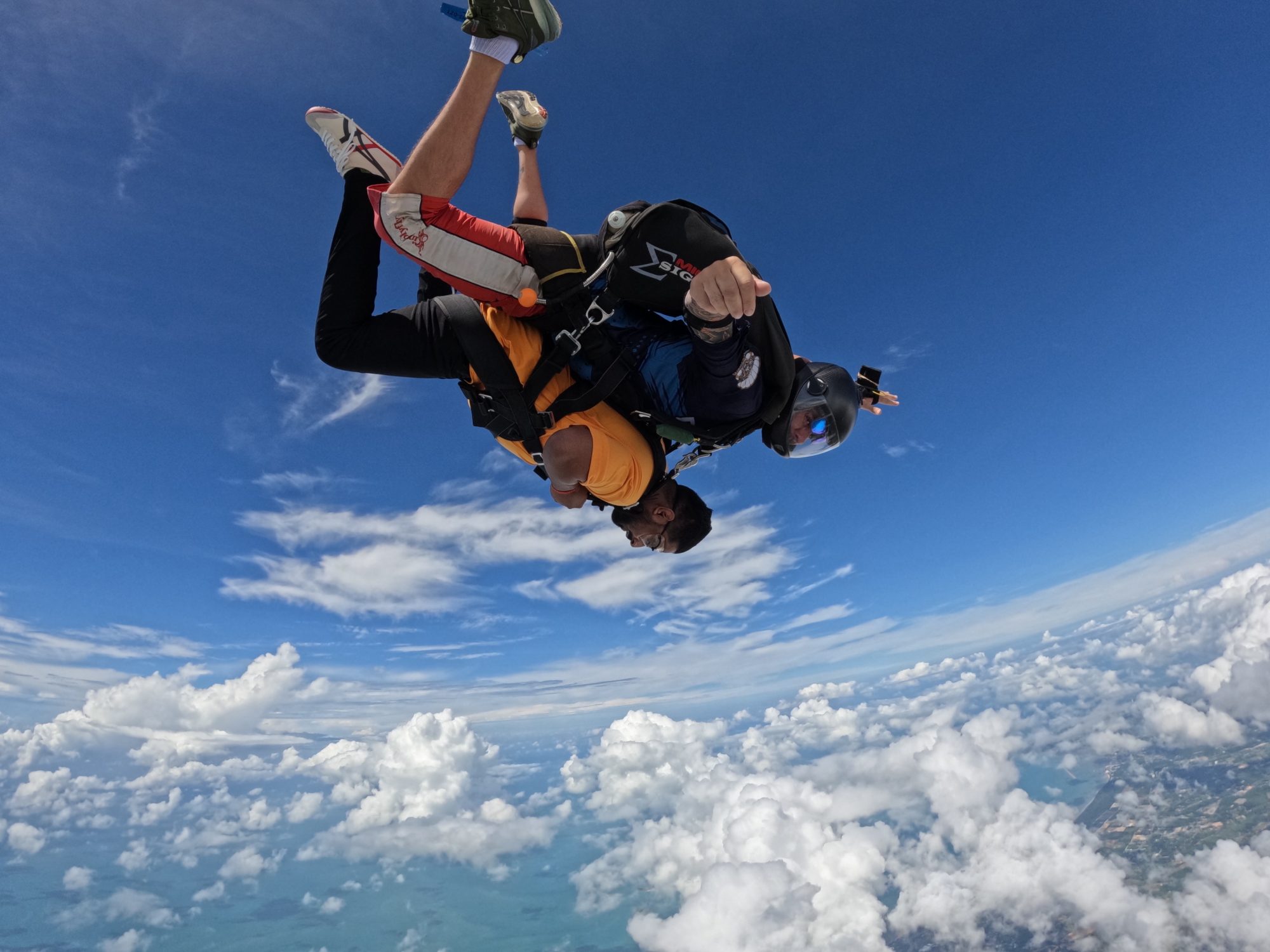
Skydiving is one of the most exciting experiences you can add to a trip to Thailand. But if you are considering your first jump, it is completely normal to ask an important question: Is skydiving in Thailand safe?
The short answer is that skydiving can be conducted with carefully managed risks, trained professionals and established safety procedures, but it is never completely risk-free. Choosing a reputable dropzone, following instructions and understanding the risks are important parts of making an informed decision.
Whether you are planning a tandem skydive near Pattaya, travelling from Bangkok or visiting Thailand specifically for an adventure experience, this guide explains the safety measures to look for and what you should expect before your first jump.
Is Skydiving in Thailand Safe for First-Time Jumpers?
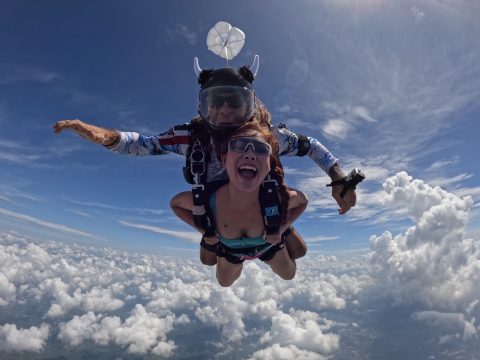
Yes, first-time visitors can experience skydiving through a tandem jump when they meet the dropzone's requirements. In tandem skydiving, you are securely harnessed to a qualified tandem instructor who manages the technical aspects of the jump.
You do not need previous skydiving experience. Before boarding the aircraft, you receive a briefing covering body position, the aircraft exit, freefall and the landing procedure.
However, having an instructor with you does not eliminate every risk. Skydiving involves aircraft operations, parachute deployment, freefall and landing, and each stage requires appropriate procedures and decisions.
Before booking, look for a dropzone that can clearly explain its instructor qualifications, equipment maintenance, weather policy and participant requirements.
What Makes Skydiving Safer?
Safety depends on multiple factors working together. No single piece of equipment or qualification can guarantee a safe outcome.
1. Qualified tandem instructors
Your tandem instructor is responsible for managing the technical aspects of the jump while guiding you through the experience.
Ask the operator about the qualifications and current ratings of its tandem instructors. Relevant training, experience with the equipment being used and compliance with applicable rules and procedures all matter.
At Official Skydive Thailand, the website describes its instructors as holding current ratings. If you have questions about a particular instructor's qualifications or experience, contact the team before booking.
2. Properly maintained parachute equipment
Modern skydiving systems incorporate several important safety features. These can include:
- A main parachute for the planned descent.
- A reserve parachute for emergency situations.
- A harness and container system designed for the intended jump.
- An automatic activation device (AAD), where fitted, that can activate the reserve under specified conditions.
An AAD is an additional safety device, not a guarantee against every possible problem. Its operation depends on its design, settings, condition and circumstances.
Ask the dropzone how it maintains its equipment, how reserve parachutes are inspected and repacked, and whether an AAD is fitted to the system used for your jump.
Official Skydive Thailand states that its safety approach includes maintained equipment, reserve repacking and AADs in its rigs. You can read more on the Official Skydive Thailand About page.
3. Weather checks before jumping
Weather is a major factor in skydiving safety. Wind, cloud, visibility and other conditions can affect aircraft operations, freefall planning and parachute landings.
A responsible operator should postpone or cancel a jump when conditions fall outside the limits considered safe for the planned operation.
This is why a booking confirmation does not always mean a jump can take place at the originally planned time. Weather delays are a normal possibility, and visitors should allow flexibility in their travel plans.
Official Skydive Thailand says it does not operate jumps in unsafe wind or cloud conditions. Check its visit information for its current weather and rescheduling policy.
4. Aircraft and operational procedures
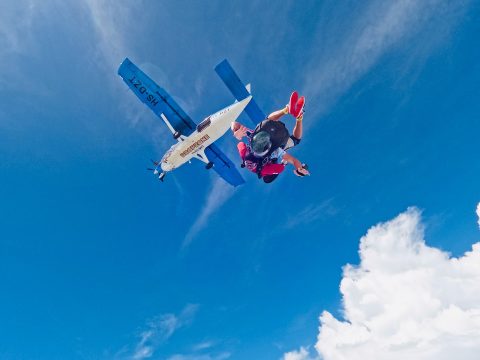
A skydive begins before the aircraft leaves the ground. Aircraft inspections, loading procedures, weight and balance calculations, communication and the coordination of the jump all contribute to operational safety.
The aircraft must be appropriate for the operation, and its crew must follow the applicable aviation requirements.
You do not need to understand every technical detail before your first jump, but you should feel comfortable asking the operator how it manages its aircraft and jump-day procedures.
5. A suitable landing area
The landing phase is another important part of a skydive. Wind, obstacles, the landing surface and the ability to follow instructions can all affect the outcome.
During a tandem jump, your instructor manages the parachute flight, but you may still need to follow specific body-position instructions, particularly when preparing to land.
Listen carefully to the briefing and follow the instructor's directions throughout the experience.
What Safety Equipment Do You Wear During a Tandem Skydive?
Before boarding, your instructor or ground crew should help you put on and check the equipment required for your jump.
Depending on the operation, this may include:
- A tandem harness connected to the instructor's system.
- Goggles to protect your eyes during freefall.
- Appropriate clothing and footwear.
- Any additional equipment required by the operator's procedures.
The instructor should check the harness and connections as part of the preparation process. If anything feels loose, uncomfortable or unclear, speak up before boarding.
Wear closed shoes that fit securely, such as trainers with laces. Avoid sandals, loose accessories and anything that could fall off during the jump.
What Happens During Your First Skydive?
Knowing what to expect can make the experience less intimidating. Although the exact schedule depends on the operator and conditions, a tandem skydive usually follows several stages.
Step 1: Check-in and briefing
You arrive at the dropzone, complete the required paperwork and receive instructions from the team.
The briefing explains how to position your body during exit and freefall, what to do when instructed and how to prepare for landing. Pay attention and ask questions if you are unsure about anything.
Step 2: Equipment fitting
The team fits your tandem harness and other required equipment. Your instructor should check the fit and connections before you board.
Tell the staff if you experience discomfort or believe something is not fitted correctly.
Step 3: Aircraft ascent
You board the aircraft and climb to the planned exit altitude. The instructor may review your body position and explain the exit procedure during the ascent.
It is normal to feel nervous or excited at this stage.
Step 4: Aircraft exit and freefall
When the instructor confirms that the jump can proceed, you exit the aircraft together.
Freefall is the part many people imagine when they think about skydiving. The sensation can feel different from what you expect, and your instructor guides the jump according to the planned procedures.
Follow the instructions you received during the briefing and avoid unexpected movements.
Step 5: Parachute flight and landing
After freefall, the parachute opens and the descent continues under canopy. The instructor controls the tandem parachute and prepares for landing.
You may be asked to raise your legs or adopt another position as you approach the landing area. Follow the instructor's directions rather than trying to improvise.
Is Tandem Skydiving Safer Than Solo Skydiving?
Tandem and solo skydiving are different activities with different responsibilities.
During a tandem jump, you are connected to an instructor who manages the technical parts of the jump. This makes tandem skydiving a common option for people who want to experience freefall without first completing a solo training programme.
In solo skydiving, the jumper must learn and perform additional skills, including parachute deployment, canopy control and landing procedures. Students learn these skills through structured training and supervision.
It is not accurate to say that any skydiving method is completely safe. The relevant risks depend on the type of jump, the people involved, the equipment and the circumstances.
If this is your first jump, discuss your experience level with the dropzone and choose an option that matches your needs and eligibility.
Who Should Check With a Doctor Before Skydiving?
Skydiving is not suitable for every person in every circumstance. Certain medical conditions, injuries or mobility limitations may affect whether someone can participate safely.
Before booking, tell the operator about relevant medical concerns, recent surgery, injuries or conditions that could affect your ability to follow instructions or adopt the required landing position.
If you are unsure whether skydiving is appropriate for you, consult a qualified medical professional before participating.
You should also check the dropzone's current age, weight and other participation requirements. These rules can vary by operator and equipment system.
What Happens if the Weather Is Unsafe?
If the weather is unsuitable, the operator may delay the jump, reschedule it or cancel the day's operation.
Although waiting can be frustrating when you have travelled specifically to skydive, a responsible weather decision should take priority over a timetable.
Before booking, check the operator's policies for weather cancellations, refunds and changing dates. If you are visiting Thailand for a short holiday, consider leaving some flexibility in your itinerary.
Official Skydive Thailand publishes its weather policy and visitor information on its Visit page. Review the latest terms before you travel.
How to Choose a Skydiving Operator in Thailand
Before choosing a dropzone, consider asking these questions:
- Are the tandem instructors currently qualified for the equipment and operation?
- What main and reserve parachute systems are used?
- How are the parachutes inspected and maintained?
- Is an automatic activation device fitted to the system used for my jump?
- What weather conditions cause jumps to be postponed or cancelled?
- What are the participant requirements and medical disclosures?
- What happens to my booking if the jump cannot take place?
- Where exactly is the dropzone, and how should I get there?
A reputable operator should be willing to answer reasonable safety questions clearly. Avoid making a decision based on price or promotional claims alone.
You can also ask the operator about its safety procedures directly rather than relying on broad statements about which country or dropzone is the safest.
Is Skydiving Near Pattaya Safe?
If you are planning a skydiving experience as part of a Pattaya holiday, check the exact dropzone location and travel arrangements before booking.
Official Skydive Thailand's visitor information describes its location in Chakphong, Klaeng District, Rayong, on Thailand's eastern coast. The drive from Pattaya is approximately one hour, depending on traffic and your departure point.
As with any skydiving operation, your decision should be based on the operator's procedures, qualifications, equipment maintenance, weather decisions and the information it provides about your jump.
Do not assume that the dropzone is in central Pattaya. Confirm the meeting point and transport arrangements in advance.
Frequently Asked Questions About Skydiving Safety in Thailand
Is skydiving in Thailand safe for tourists?
Tourists can participate in tandem skydiving if they meet the operator's requirements. However, skydiving carries inherent risks wherever it takes place. Research the operator, understand the safety procedures and follow all instructions.
Can I go skydiving if I have never jumped before?
Yes, tandem skydiving is designed for people without previous skydiving experience. You receive a briefing and are connected to a tandem instructor who manages the technical aspects of the jump.
Can a parachute fail during a skydive?
Equipment problems are possible, which is why parachute systems and operational procedures include emergency provisions. Main and reserve parachutes, appropriate maintenance and other safety devices can help manage certain failures, but they cannot eliminate all risks.
Does bad weather affect skydiving?
Yes. Wind, cloud, visibility and other conditions can affect whether a jump can proceed. The operator should postpone or cancel a jump if conditions are unsuitable.
What should I wear for my first skydive?
Wear comfortable clothing and securely fitted closed shoes, such as trainers with laces. Follow the dropzone's clothing instructions and avoid loose accessories.
How long should I plan for the experience?
Allow several hours at the dropzone. Briefing, equipment fitting, aircraft loading, weather and operational schedules can affect the total time, even though the actual jump is relatively brief.
Final Thoughts: Make an Informed Decision Before You Jump
So, is skydiving in Thailand safe? The most responsible answer is that skydiving involves real risks, and no operator can guarantee a risk-free experience. Those risks can be managed through appropriate training, maintained equipment, sound operational procedures, careful weather decisions and participants who follow instructions.
If you are considering your first tandem skydive near Pattaya, take time to review the operator's safety information, confirm the current participation requirements and ask any questions you have before booking.
Official Skydive Thailand provides information about its instructors, equipment and weather approach on its website. Explore the About page, review the Visit page, and contact the team if you need more information before making your decision.
Understand the risks, ask the right questions and choose your skydiving experience carefully.